When it comes to intimate products, materials matter more than most people realise. What touches your body should feel safe, reliable, and transparent, not confusing or questionable. At Lovqa, we believe that understanding body-safe materials is part of feeling confident in your choices. You should never have to guess what a product is made of or whether it is suitable for intimate use.
What Does “Body-Safe” Actually Mean?
The term “body-safe” is used often, but it does not always mean the same thing. For us at Lovqa, body-safe materials for intimate products mean materials that are designed to come into close contact with the body without causing irritation or harm. This includes meeting recognised safety standards and using materials that are non-toxic and non-porous. Certifications and clear material information matter. We look for materials that are free from harmful additives such as phthalates, which are sometimes used to soften plastics but are not suitable for intimate use. Medical-grade silicone is one of the most trusted materials in intimate products. It is soft, flexible, and designed with safety in mind, which is why we prioritise it wherever possible.
Common Materials Explained
Understanding the most common materials helps make informed choices feel simpler. Silicone, especially medical-grade silicone, is non-porous and gentle on the skin. This means it does not absorb bacteria or odours when cleaned properly. It is widely used in body-safe intimate products because of its durability and comfort. ABS is a hard plastic often used for external parts of intimate products. When properly manufactured and clearly described, it can be safe for contact with the skin, particularly in non-insertable areas. Glass, when designed specifically for intimate use, is also non-porous and smooth. It can be safe and hygienic, provided it is made from high-quality, body-safe glass and handled with care.
Why Cheap Materials Can Be Risky
Low-cost materials may seem appealing, but they often come with hidden risks. Porous materials can trap moisture and bacteria, even when a product looks clean. Over time, this can affect hygiene and increase the risk of irritation. Some materials may also contain substances that trigger allergic reactions or discomfort, especially on sensitive skin. Without clear information, it becomes difficult to know what you are exposing your body to. At Lovqa, we avoid materials that rely on shortcuts. Intimate care should never come at the cost of safety.
How to Check If a Product Is Truly Body-Safe
Transparency is the first sign of a body-safe product. A trustworthy brand clearly explains what materials are used and why. Vague descriptions or missing information are often a red flag. Brand values matter too. Companies that prioritise care, education, and honesty are more likely to invest in safer materials rather than relying on greenwashing or empty claims. At Lovqa, we choose materials deliberately and communicate openly about them. We believe that feeling informed is part of feeling safe. Understanding body-safe materials for intimate products is not about becoming an expert. It is about knowing what questions to ask and choosing brands that respect your body as much as you do.
Building a healthy relationship with your body rarely starts with confidence. It usually starts with curiosity. With noticing. With small moments where you pause and ask yourself how you actually feel, instead of how you think you should feel. At Lovqa, we see pleasure as a way back to the body, not something to control …
Lubricant is often treated as an extra. Something optional. Something you add only when there is a problem. In reality, lubricant plays a quiet but essential role in how safe, comfortable, and natural intimacy feels. Especially when using body-safe silicone products, the right lubricant is not about enhancement. It is about care. Why Lubricant Matters …
For many people, pleasure feels complicated. It does not appear on its own. Instead, it often comes with hesitation, questions, or a quiet sense of guilt. Still, pleasure does not need permission. It is a natural part of being human. When you allow it to exist within self-care, you are not being selfish. You are …
Choosing your first intimate product can feel exciting, confusing, or quietly intimidating. If you are here, it does not mean you should already know what you want or how everything works. Curiosity is enough. This guide is here to support you gently, without pressure, expectations, or assumptions. Who Is This Guide For? This guide is …

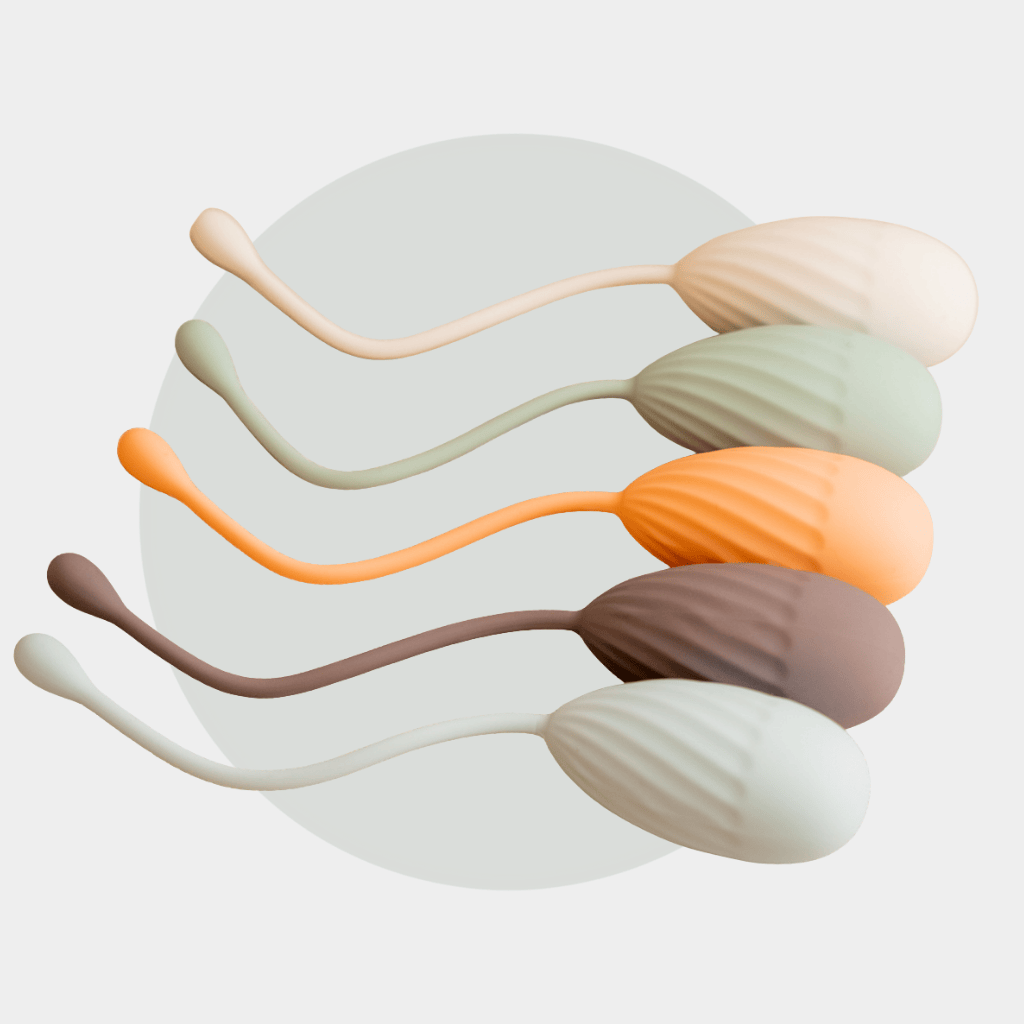

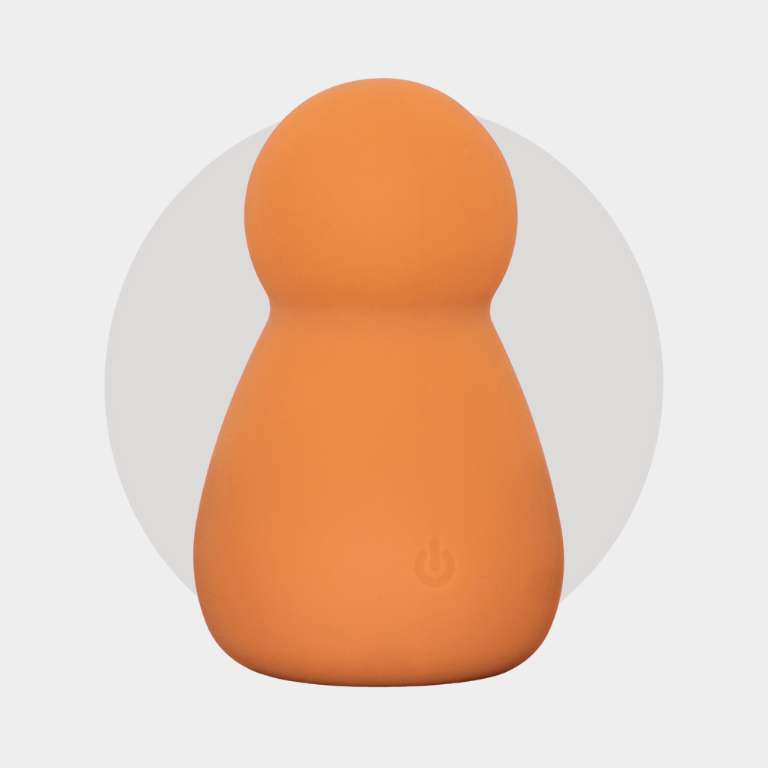


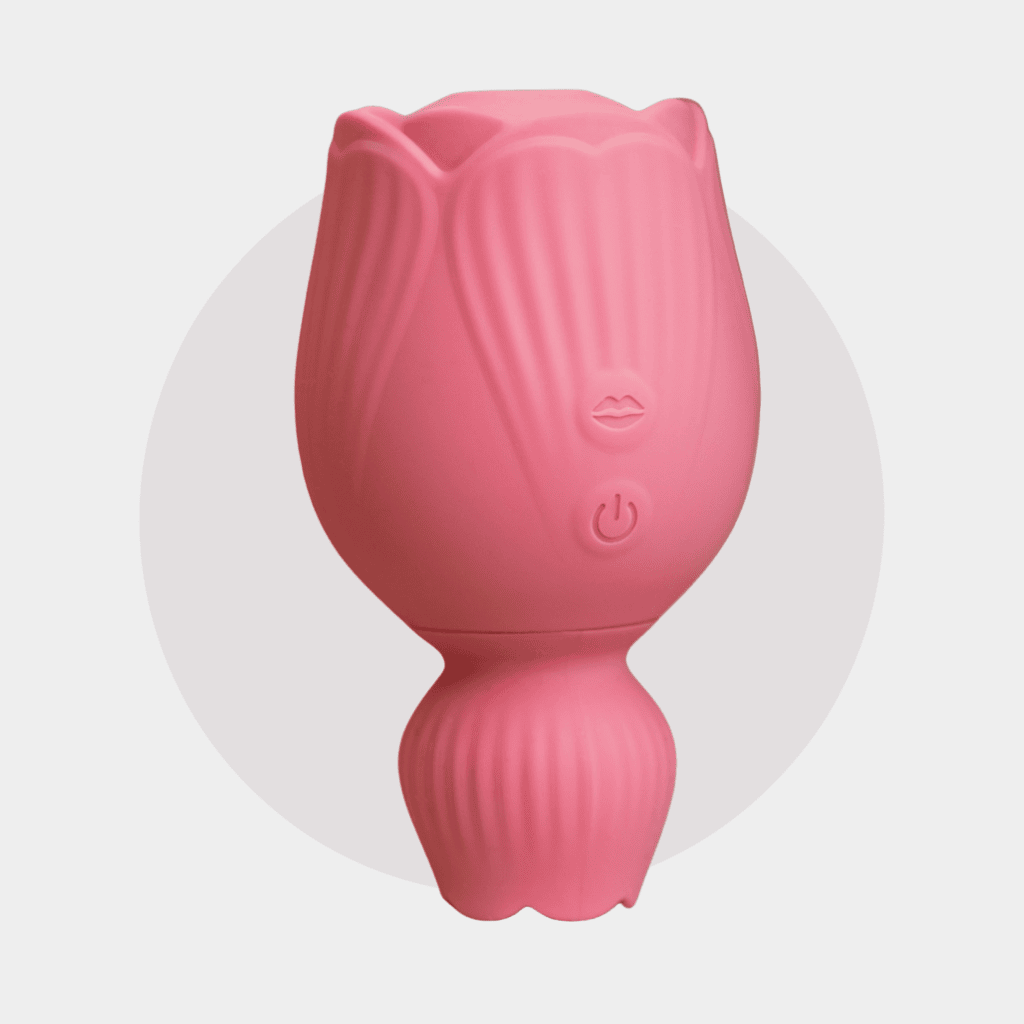
Understanding Body-Safe Materials – What Really Matters and Why
When it comes to intimate products, materials matter more than most people realise. What touches your body should feel safe, reliable, and transparent, not confusing or questionable. At Lovqa, we believe that understanding body-safe materials is part of feeling confident in your choices. You should never have to guess what a product is made of or whether it is suitable for intimate use.
What Does “Body-Safe” Actually Mean?
The term “body-safe” is used often, but it does not always mean the same thing. For us at Lovqa, body-safe materials for intimate products mean materials that are designed to come into close contact with the body without causing irritation or harm. This includes meeting recognised safety standards and using materials that are non-toxic and non-porous. Certifications and clear material information matter. We look for materials that are free from harmful additives such as phthalates, which are sometimes used to soften plastics but are not suitable for intimate use. Medical-grade silicone is one of the most trusted materials in intimate products. It is soft, flexible, and designed with safety in mind, which is why we prioritise it wherever possible.
Common Materials Explained
Understanding the most common materials helps make informed choices feel simpler. Silicone, especially medical-grade silicone, is non-porous and gentle on the skin. This means it does not absorb bacteria or odours when cleaned properly. It is widely used in body-safe intimate products because of its durability and comfort. ABS is a hard plastic often used for external parts of intimate products. When properly manufactured and clearly described, it can be safe for contact with the skin, particularly in non-insertable areas. Glass, when designed specifically for intimate use, is also non-porous and smooth. It can be safe and hygienic, provided it is made from high-quality, body-safe glass and handled with care.
Why Cheap Materials Can Be Risky
Low-cost materials may seem appealing, but they often come with hidden risks. Porous materials can trap moisture and bacteria, even when a product looks clean. Over time, this can affect hygiene and increase the risk of irritation. Some materials may also contain substances that trigger allergic reactions or discomfort, especially on sensitive skin. Without clear information, it becomes difficult to know what you are exposing your body to. At Lovqa, we avoid materials that rely on shortcuts. Intimate care should never come at the cost of safety.
How to Check If a Product Is Truly Body-Safe
Transparency is the first sign of a body-safe product. A trustworthy brand clearly explains what materials are used and why. Vague descriptions or missing information are often a red flag. Brand values matter too. Companies that prioritise care, education, and honesty are more likely to invest in safer materials rather than relying on greenwashing or empty claims. At Lovqa, we choose materials deliberately and communicate openly about them. We believe that feeling informed is part of feeling safe. Understanding body-safe materials for intimate products is not about becoming an expert. It is about knowing what questions to ask and choosing brands that respect your body as much as you do.
Related Posts
How to Build a Healthy Relationship With Pleasure and Your Own Body
Building a healthy relationship with your body rarely starts with confidence. It usually starts with curiosity. With noticing. With small moments where you pause and ask yourself how you actually feel, instead of how you think you should feel. At Lovqa, we see pleasure as a way back to the body, not something to control …
Why Water-Based Lubricants Are Best for Body-Safe Silicone Products
Lubricant is often treated as an extra. Something optional. Something you add only when there is a problem. In reality, lubricant plays a quiet but essential role in how safe, comfortable, and natural intimacy feels. Especially when using body-safe silicone products, the right lubricant is not about enhancement. It is about care. Why Lubricant Matters …
Pleasure as Part of Self-Care – Letting Go of Guilt and Shame
For many people, pleasure feels complicated. It does not appear on its own. Instead, it often comes with hesitation, questions, or a quiet sense of guilt. Still, pleasure does not need permission. It is a natural part of being human. When you allow it to exist within self-care, you are not being selfish. You are …
How to Choose Your First Intimate Product – A Gentle Guide for Beginners
Choosing your first intimate product can feel exciting, confusing, or quietly intimidating. If you are here, it does not mean you should already know what you want or how everything works. Curiosity is enough. This guide is here to support you gently, without pressure, expectations, or assumptions. Who Is This Guide For? This guide is …